
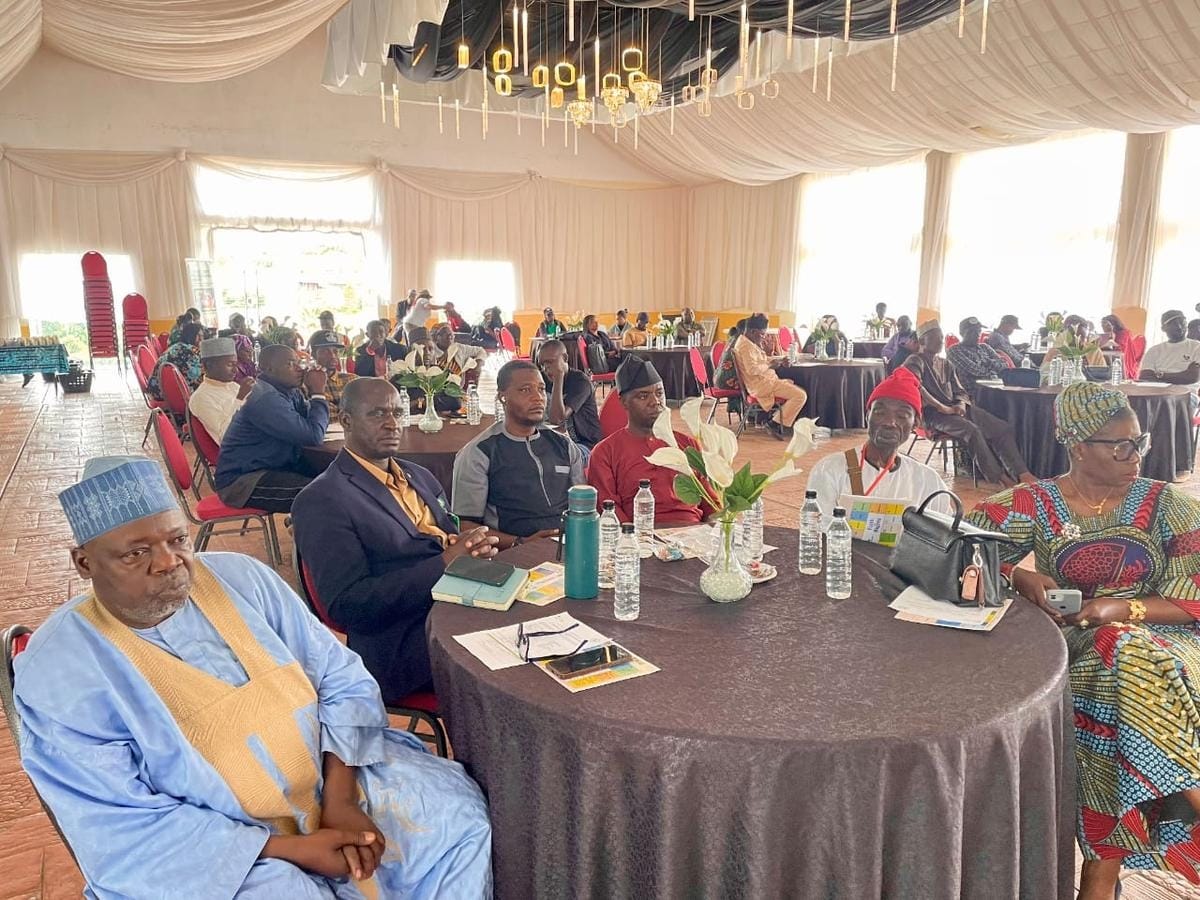
The Plateau State Peace Building Agency held the August edition of the Plateau Peace Architecture Forum at Odilins Event Centre, Jos, with the theme: “Understanding Freedom of Religion or Belief from Diverse Perspectives: Promoting Religious Tolerance, Inclusion and Preventing the Manipulation of Youth for Electoral Violence.” The forum brought together religious and traditional leaders, government representatives, human rights actors, youth groups, civil society organisations and other stakeholders to examine the importance of religious freedom, peaceful coexistence and responsible youth participation as the 2027 general elections draw closer.
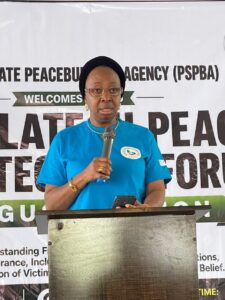
Setting the tone for the engagement, the Director General of the Plateau State Peace Building Agency, Dr. Julie Sanda, explained that the forum provides an important platform for discussing freedom of religion or belief, promoting tolerance and inclusion, and strengthening efforts towards violence-free elections in 2027. She noted that, given Plateau State’s religious, ethnic and cultural diversity, freedom of religion goes beyond the right to practise one’s faith to include dignity, mutual respect, inclusion and peaceful coexistence. She also stressed the need to move beyond mere tolerance to meaningful inclusion and empower young people to reject misinformation, hate speech, manipulation and recruitment into violence, while commemorating victims of violence based on religion or belief.
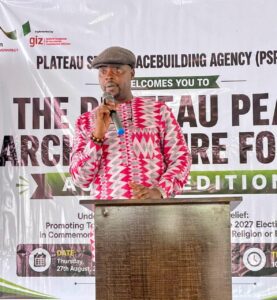
Building on this call, Mr. Bali Nanman, President of PPPN, stressed the importance of sustaining dialogue on freedom of religion, particularly as Nigeria approaches the 2027 elections. He noted that religion should unite people, promote good values and strengthen peaceful coexistence. He therefore urged young people and religious leaders to reject the misuse of religion, misinformation and divisive messages on social media, and to take the lessons from the forum back to their communities.
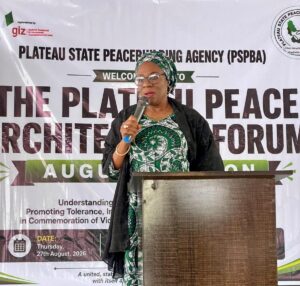
Similarly, Barr. Kyenpia Mafwei, Plateau State Coordinator of the National Human Rights Commission, commended the Peace Building Agency for sustaining the forum as a platform for dialogue and peaceful resolution of difficult issues. She emphasised that freedom of religion or belief is a fundamental right that must be protected and condemned the use of religion by political or religious leaders to spread hatred or incite violence. She encouraged stakeholders to embrace dialogue, promote inclusion and protect people of different faiths.
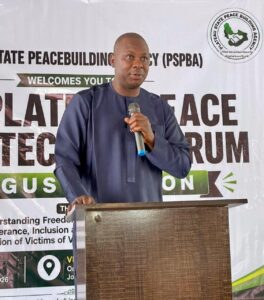
In the same vein, Rev. Dr. Stephen Dangana, Special Adviser to the Plateau State Governor on Inter-Religious Affairs, represented by Rev. Nehemiah Michael, commended the Agency for convening the dialogue. He emphasised that freedom of religion means the ability to practise one’s faith, disagree without hatred and live peacefully with people of different beliefs. He urged stakeholders, particularly young people, to reject misinformation, manipulation and violence ahead of the 2027 elections, while reaffirming his office’s commitment to building a Plateau where faith unites rather than divides.
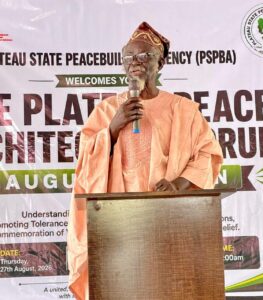
Further contributing to the discussion, Prof. Pandam Yamsat, Chairman of the Plateau State Advisory Council on Inter-Religious Harmony, reaffirmed the commitment of religious leaders to promoting peace and peaceful coexistence. He urged stakeholders to move beyond rhetoric and translate their words into action, cautioning against the misuse of religion for personal or political interests. He also called for the recognition and respect of African Traditional Religion and other faiths, stressing that religion and politics should serve as instruments of unity, nation-building and peaceful coexistence. He encouraged participants to “walk their talk” by putting their commitments into practice.
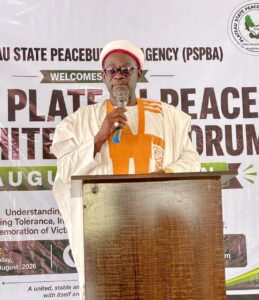
Also, the Co-Chairman of the Plateau State Advisory Council on Inter-Religious Harmony, Alhaji Dr. Muhammad Sambo, Emir of Wase, represented by Sheikh Ghazali Ismail, Chief Imam of Jos Central Mosque, reaffirmed the importance of freedom of religion or belief in promoting peace, security, inclusion and sustainable development. He cited the Islamic principle that there should be no compulsion in religion, emphasising respect for people of different faiths and the protection of religious minorities from violence and exclusion. He commended the Peace Building Agency for its efforts in dialogue, mediation and peace education and expressed support for inclusive and violence-free elections in 2027.
Against this backdrop, Rev. Dr. Sylvester Dachomo, in his keynote presentation titled “Understanding Freedom of Religion or Belief in a Diverse Plateau,” emphasised that society must promote not only tolerance and inclusion but also acceptance of one another. He described Plateau State as religiously, ethnically and culturally diverse and noted that the state has experienced various forms of violence and conflict. He explained that freedom of religion or belief is a fundamental human right that allows individuals to choose, practise, change or abandon a religion or belief without coercion. He further stressed the sanctity of human life and called on politicians, security agencies, traditional rulers, religious leaders and community leaders to treat their responsibilities as a sacred trust and work collectively to protect lives and promote peace.
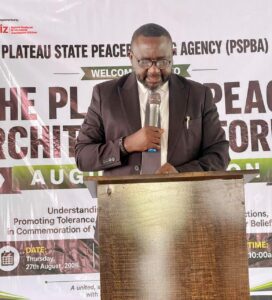
In addition to the keynote presentation, a panel session was held on promoting religious tolerance and inclusion while preventing the manipulation of young people for electoral violence. Panelists representing Untold Heroes (Tina Junction and Angwan Rogo), PYIF, Hare Krishna, African Traditional Religion and Mr. Abubakar Sadeeq shared meaningful experiences and perspectives, highlighting the importance of peaceful coexistence, respect for diverse beliefs, responsible youth participation and resistance to political and religious manipulation.
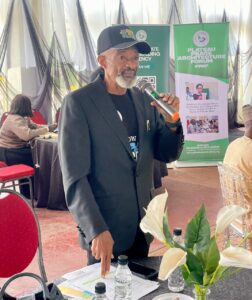
Furthermore, an open dialogue anchored by Mr. Silas Abdulsalam focused on strengthening religious inclusion, trust and shared responsibility for peace in Plateau State. Participants developed action points on empowering young people as champions of religious tolerance and inclusion, preventing the manipulation of religious sentiments for political and electoral purposes, and mitigating the spread of harmful narratives before, during and after elections.
In conclusion, the August edition of the Plateau Peace Architecture Forum reinforced the shared responsibility of government, religious and traditional leaders, civil society, young people and communities in protecting freedom of religion or belief and promoting peaceful coexistence. The forum provided a strong platform for dialogue and practical reflection, with a collective call for stakeholders to turn words into action, reject religious and political manipulation, and work together towards peaceful, inclusive and violence-free elections in 2027.